When considering bathroom lighting, understanding the IP rating is essential. Many homeowners overlook this crucial aspect. The right IP rating protects lights from moisture and steam. So, what IP rating is needed for bathroom lights?
Typically, an IP rating of at least IP44 is recommended. This rating ensures protection against splashes. For areas directly exposed to water, higher ratings are better. Shower zones typically require an IP65 rating for optimal safety.
Selecting fixtures with the correct IP rating enhances safety and durability. Poor choices can lead to frequent replacements. It’s vital to assess each area of your bathroom before purchasing. By considering the IP rating, you ensure a well-lit, safe space.
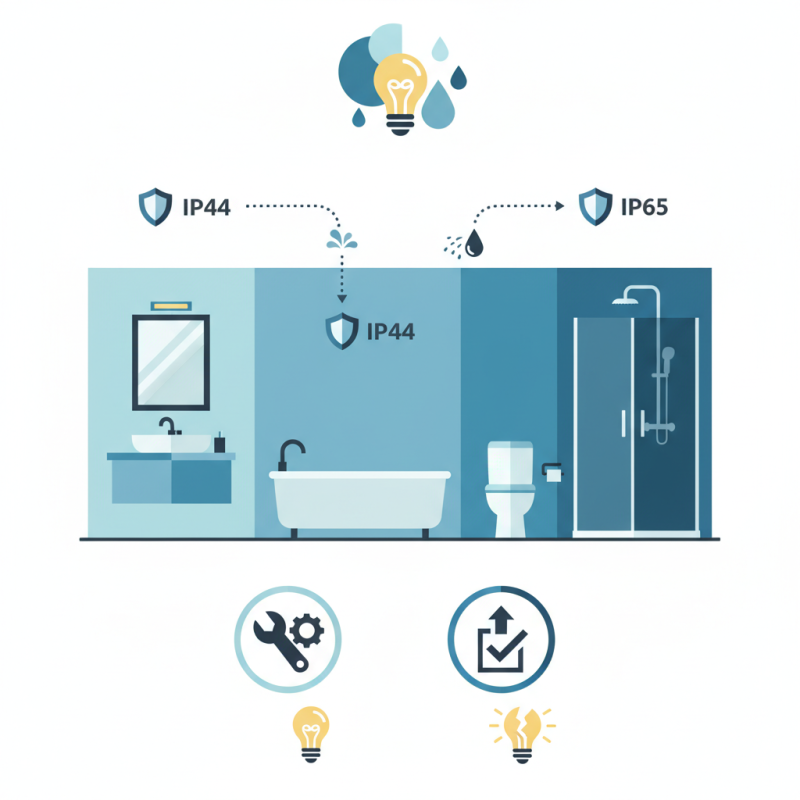
IP ratings are essential for ensuring safety in bathrooms. The acronym IP stands for "Ingress Protection." This rating system determines how well a fixture resists water and dust. A light fixture with a high IP rating is crucial in areas exposed to moisture. In bathrooms, humidity can be high, and proper ratings can prevent accidents.
The IP rating consists of two digits. The first digit indicates protection against solids, while the second digit shows water resistance. For example, a rating of IP65 means the light is dust-tight and can withstand water jets. When choosing bathroom lights, look for at least IP44. This rating will protect against splashes. However, consider higher ratings for areas close to showers or bathtubs.
It's easy to overlook these ratings. However, neglecting proper lighting can lead to dangerous situations. Many people simply choose bright fixtures without understanding the risks. This can lead to failures or hazards over time. Therefore, understanding IP ratings is a crucial step in ensuring the safety and functionality of your bathroom lighting.
This chart illustrates the suitability of different IP ratings for use in bathroom lighting. A higher percentage indicates better protection against water and dust, making it safer and more effective for use in humid environments.
When choosing bathroom lights, understanding the IP rating is crucial. The IP rating (Ingress Protection) indicates how well a light fixture resists moisture and dust. This is vital for safety in wet environments like bathrooms. A higher IP rating means better protection. For bathrooms, look for lights rated at least IP44. This rating can guard against splashes from all directions.
Consider the different zones in your bathroom. Zone 0 is inside the shower or bathtub, requiring the highest protection, like IP67. Zone 1 is above the bathtub, needing at least IP65. Zone 2 is around the sink, where IP44 is suitable. Choosing lights with the appropriate IP rating ensures safety and prolongs the life of your fixtures.
Tips: Always check the manufacturer's specifications for IP ratings. Proper installation is essential to maintain the integrity of the light fixtures. If unsure, consult a professional electrician. Common mistakes include using standard lights in wet areas. This can lead to failures or hazards. Educate yourself on the IP ratings for a safe and effective bathroom lighting experience.
Understanding IP ratings is essential when selecting bathroom lights. The IP rating consists of two numbers. The first number indicates protection against solid objects, while the second suggests protection against liquids. For bathrooms, the right IP ranking ensures safety and durability.
For instance, a light fixture with an IP65 rating is dust-tight and can withstand water jets. This is ideal for humid environments. In contrast, an IP20 rating provides minimal protection, making it unsuitable for bathrooms. Think carefully about where you plan to install your lights. Choosing the right IP rating protects your investment and enhances safety.
Tip: Always check installation guidelines. Proper sealing around fixtures is vital for maintaining the integrity of your lighting. Even with high IP ratings, gaps can compromise safety.
Remember, not all areas in the bathroom require the same IP rating. Zones closer to water sources require higher ratings. Consider your bathroom layout and lighting needs carefully. This attention to detail can prevent potential hazards down the line.
| IP Rating | First Digit (Protection Against Solid Objects) | Second Digit (Protection Against Liquids) | Recommended Use in Bathroom |
|---|---|---|---|
| IP20 | No protection against solid objects | No protection against water | Not suitable for bathrooms |
| IP44 | Protected against solid objects > 1mm | Protected against water splashes from all directions | Suitable for bathrooms in shower areas |
| IP65 | Totally protected against dust | Protected against water jets | Ideal for bathrooms near water |
| IP67 | Totally protected against dust | Protected against immersion in water up to 1m | Best for areas with high moisture |
When selecting bathroom lights, understanding the appropriate Ingress Protection (IP) rating is crucial. Different areas of your bathroom are exposed to varying levels of moisture and humidity. An IP rating indicates how well a light fixture can resist water and dust.
Bathrooms typically have three zones based on exposure: Zone 0 is the area inside the shower or bath; Zone 1 encompasses the space directly above the bath or shower; and Zone 2 includes the area surrounding those fixtures. Fixtures in Zone 0 need an IP rating of at least IP67, ensuring they are fully waterproof. For Zone 1, an IP65 rating is suitable as it protects against water projected from a nozzle. Zone 2 should have an IP rating of at least IP44, which guards against splashes and moisture.
**Tips:** Always check installation guidelines specific to your local area. Pay attention not just to the IP rating but also to how the fixture is positioned. The angle can significantly impact its effectiveness against moisture.
Choosing lights with the right IP rating not only enhances safety but also impacts their longevity. While high IP ratings confer better protection, they can limit design choices. It’s essential to balance aesthetics with functionality. Consider testing a few options before the final installation, as real-world conditions may differ from specifications.
When choosing bathroom lights, IP ratings are crucial. However, several other factors deserve your attention.
Consider the brightness and color temperature. Cooler light can create a refreshing atmosphere. Warmer tones offer a cozy feel. A balance between aesthetics and functionality matters. Test different bulbs to see which fits your space.
Don't overlook the installation area. Light fixtures must resist moisture and humidity. Choose lights designed explicitly for wet environments. Look for fixtures with good ventilation. Proper installation ensures longevity and safety.
Tip: Always check the fixtures’ heat output. High heat can damage components over time. Consult a licensed electrician if you're unsure about installation. They can ensure your setup is safe and efficient. Reflect on your choices to avoid future issues. Make informed decisions when selecting bathroom lights.
: IP stands for "Ingress Protection," indicating how well a fixture resists water and dust.
The IP rating consists of two digits. The first digit shows protection against solids, while the second shows water resistance.
A rating of at least IP44 is recommended to protect against splashes in bathrooms.
Zone 0 requires IP67, Zone 1 needs IP65, and Zone 2 should have at least IP44.
Proper ratings prevent accidents and add safety, especially in humid and wet environments.
Yes, the angle and placement can significantly influence performance against moisture.
Neglecting these ratings can lead to hazardous situations and lighting failures over time.
Not necessarily; higher ratings may limit design choices. Balancing aesthetics with functionality is important.
Yes, following local installation guidelines and proper sealing is crucial for safety and durability.
Testing options may reveal that actual bathroom conditions affect performance beyond what's specified.
When selecting bathroom lights, understanding what IP rating is needed for bathroom lights is crucial for ensuring safety and functionality. IP stands for Ingress Protection, which indicates how well a fixture can withstand moisture and dust. Safety in bathroom lighting relies heavily on these ratings, as they help prevent electrical hazards in wet zones.
IP ratings are categorized into two digits; the first indicates protection against solid objects and the second against water. Choosing the correct rating is essential depending on the specific bathroom zones, such as areas near sinks or showers, where higher protection levels are necessary. Beyond the IP ratings, it is also important to consider factors like design, brightness, and energy efficiency when selecting the ideal lighting for your bathroom.

PureRay Light