In today's rapidly evolving world, the question "why should I switch to LED spotlights?" is gaining traction among consumers and businesses alike. Recent studies show that LEDs are up to 80% more efficient compared to traditional incandescent bulbs. The U.S. Department of Energy reported that widespread adoption of LED lighting could save over $30 billion in energy costs annually.
Consider the longevity of LED spotlights; they can last up to 25,000 hours, significantly reducing the need for frequent replacements. This durability means less waste and fewer resources consumed over time. A growing number of businesses are recognizing these benefits. However, shifting to LED lighting can entail upfront costs that may cause hesitation.
Despite these concerns, the long-term savings and environmental advantages cannot be overlooked. Failing to adapt risks falling behind competitors who embrace innovation. As the lighting industry continues to evolve, investing in LED technology seems increasingly vital for maintaining efficiency and sustainability.
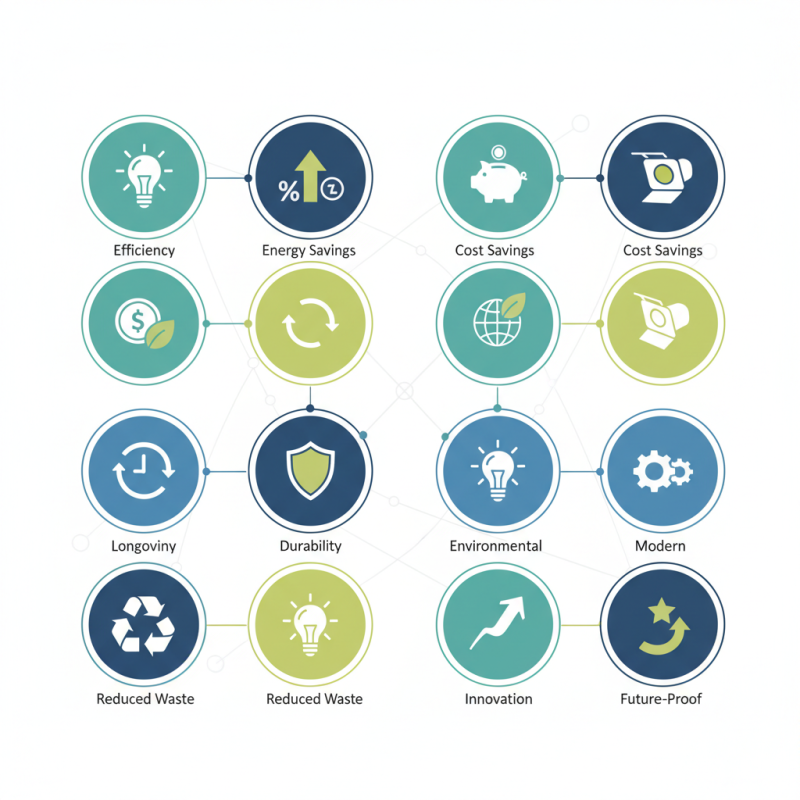
Benefits of Energy Efficiency with LED Spotlights
LED spotlights are gaining popularity due to their significant
energy efficiency benefits. According to the U.S. Department of Energy, LED lights use at least 75% less energy
than traditional incandescent lights. This conversion can lead to substantial savings on electricity bills over time.
Many households have reported reductions in energy costs ranging from 30% to 60%
after switching to LED products.
Another compelling advantage of LED spotlights is their lifespan. These lights can last up to 25,000 hours,
compared to around 1,000 hours for incandescent bulbs. This means fewer replacements and reduced waste.
The Environmental Protection Agency claims that if every home in the U.S. switched to LED lighting, the nation could save more than
$6 billion per year in energy costs.
Tip: Consider a gradual transition. Start by replacing the most frequently used fixtures. Small changes can lead to
significant savings.
While the upfront cost of LED lights may be higher, the long-term benefits outweigh this expense. It's essential to factor in the
durability and efficiency when making a choice. Some consumers express concerns about color and brightness. However, technology has
advanced significantly, offering various options that perform exceedingly well in different settings.
Tip: Always check the lumens rating to adjust brightness levels for your specific needs.
Cost Savings: Long-term Investment Benefits of Switching to LED
Switching to LED spotlights can lead to impressive cost savings, transforming your energy consumption experience. LED technology is notably more efficient, providing over 80% energy savings compared to traditional lighting. According to the U.S. Department of Energy, investing in LEDs can save consumers about $75 per year on electricity costs for each bulb replaced.
Beyond just energy efficiency, the longevity of LED lights also enhances potential savings. An average LED spotlight lasts approximately 25,000 hours, while incandescent bulbs last only about 1,000 hours. This means fewer replacements and reduced maintenance costs. With a decrease in frequency for bulb changes, both labor and material costs are minimized over time. A report by the Lighting Research Center suggests that even a small switch to LEDs can yield significant savings in total ownership costs.
Understanding the impact of these changes is essential, however. Some may underestimate initial expenses. While LEDs can be pricier upfront, the long-term benefits outweigh the investment. Yet, it is crucial to consider the context of your specific lighting needs. Utilizing LED spotlights is a leading choice for sustainability and financial efficiency.
Environmental Impact: Reducing Carbon Footprint with LEDs
Switching to LED spotlights offers numerous benefits, particularly in reducing your carbon footprint. Traditional lighting consumes more energy, leading to increased greenhouse gas emissions. In contrast, LEDs use at least 75% less energy. This significant reduction directly contributes to lower carbon emissions. Each LED spotlight you install contributes to a greener planet.
Furthermore, LEDs have a longer lifespan than conventional bulbs, lasting up to 25,000 hours. This lifespan means fewer bulbs in landfills, reducing waste and environmental strain. However, it’s essential to remember that the production of LEDs requires materials that can be harmful if not disposed of properly. It’s a reminder that sustainability involves responsibility at every stage of a product's life cycle.
While the impact of switching to LEDs is clear, there are nuances to consider. The initial investment may be higher, but long-term savings in energy costs justify the expense. Transitioning to LEDs also demands an assessment of your current lighting needs. Not every space may benefit equally from LEDs, and it's crucial to think about specific lighting requirements. This thoughtful approach ensures you maximize both energy efficiency and effective illumination.
Enhanced Light Quality: Why LEDs Improve Your Lighting Experience
LED spotlights have transformed modern lighting. Enhanced light quality is one of the most significant benefits of switching to LEDs. Studies show that LEDs produce a brighter, clearer light with better color accuracy. The Color Rendering Index (CRI) of LED lights often exceeds 90, making colors appear more vibrant. In contrast, traditional bulbs typically offer lower CRI values. This improvement in light quality enhances everything from daily tasks to artistic endeavors.
Tips: Consider the CRI rating when selecting your bulbs. A higher CRI can significantly affect how you perceive colors in your space.
Furthermore, LEDs provide a higher luminous efficacy, meaning they produce more light per watt consumed. According to the U.S. Department of Energy, LEDs can use up to 75% less energy than incandescent bulbs. This efficiency means not only lower energy bills but also less heat emitted. The reduction in heat is crucial for maintaining a comfortable environment, especially in small spaces.
Tips: Evaluate the wattage you need based on the size of your room. Less wattage doesn’t mean less brightness with LED technology.
While there are many advantages, it’s important to acknowledge potential downsides. The initial cost of LED spotlights can be higher. However, considering their longevity—often lasting over 25,000 hours—the investment proves worthwhile over time. Transitioning to LED lighting is a step toward better light quality and overall efficiency.
Longevity and Durability: The Lifespan Advantages of LED Technology
LED technology has revolutionized lighting with its impressive longevity and durability. Traditional incandescent bulbs last about 1,000 hours, while LED spotlights can last up to 25,000 hours or more. This means that switching to LED can reduce replacement frequency significantly. According to the U.S. Department of Energy, LEDs use at least 75% less energy than incandescent lamps. This not only cuts down energy costs but also contributes to reduced waste in landfills due to fewer burnt-out bulbs.
The materials used in LED lights enhance their durability. They are more resistant to shocks, vibrations, and extreme temperatures. This resilience makes them ideal for various settings, from homes to industrial environments. Some reports highlight that LED spotlights maintain 70% of their brightness even after their rated lifespan, which is a stark contrast to halogen bulbs. Yet, while LEDs boast many advantages, not all products on the market offer the same quality. Consumers should do their research to choose reliable options.
Long-term investments in LED lighting can yield substantial savings. Homeowners and businesses can lower their electricity bills significantly. However, misinformation about the upfront costs can deter potential buyers. This highlights the importance of understanding the real savings from energy efficiency and longer lifespans. Many people overlook these benefits, focusing only on initial costs. Embracing LED technology requires a shift in mindset, but the advantages make it a worthwhile consideration.
FAQS
: LED lights use 75% less energy than incandescent bulbs, leading to lower electricity bills.
LED spotlights can last up to 25,000 hours, significantly longer than conventional bulbs.
They reduce carbon emissions and waste due to their energy efficiency and longer lifespan.
The initial cost of LED lights is higher, but long-term savings justify the expense.
Check the lumens rating for brightness and the CRI for color accuracy to suit your needs.
Yes, LEDs offer brighter light with better color accuracy, enhancing visual experiences significantly.
Consider a gradual transition by starting with frequently used fixtures for optimal savings.
Assess your current lighting needs, as not all spaces may benefit equally from LED technology.
Evaluate wattage based on room size; less wattage doesn't mean less brightness with LEDs.
The production of LEDs requires materials that can be harmful if not disposed of properly.
Conclusion
Switching to LED spotlights offers numerous advantages that make them an excellent choice for modern lighting needs. Firstly, the energy efficiency of LED technology significantly reduces electricity consumption, leading to lower utility bills and long-term financial savings. By investing in LED spotlights, users not only benefit from reduced costs but also contribute to a healthier environment by decreasing their carbon footprint.
Furthermore, LED spotlights provide enhanced light quality, offering brighter and more focused illumination, which improves overall lighting experiences. Their durability and longevity mean that these lights last much longer than traditional bulbs, resulting in less frequent replacements and reduced waste. So, when considering "why should I switch to LED spotlights," the answer lies in their cost-effectiveness, environmental benefits, superior light quality, and impressive lifespan. Embracing LED technology is a smart move for both your wallet and the planet.

 PureRay Light