The question remains: can smart bulbs be used in enclosed fixtures? This inquiry is critical considering the rapid adoption of smart lighting technology. According to a recent report by the U.S. Department of Energy, smart bulbs are expected to dominate the residential lighting market, projected to reach a value of $35 billion by 2026. However, safety and compatibility in enclosed fixtures are major concerns.
Enclosed fixtures can trap heat, which may damage certain types of bulbs. Industry experts, including the Illuminating Engineering Society, caution that inadequate ventilation could lead to overheating and decreased bulb lifespan. Not all smart bulbs offer the same durability. Some are specifically designed for enclosed applications, while others may not be safe.
Understanding these nuances is essential for consumers aiming to enhance their home lighting systems. Selecting the wrong bulb can lead to both safety hazards and unexpected replacement costs. So, before you decide, consider the specific use case and manufacturer guidelines. It’s a worthwhile exploration that can prevent potential issues down the road.
Understanding Smart Bulbs and Their Functionality
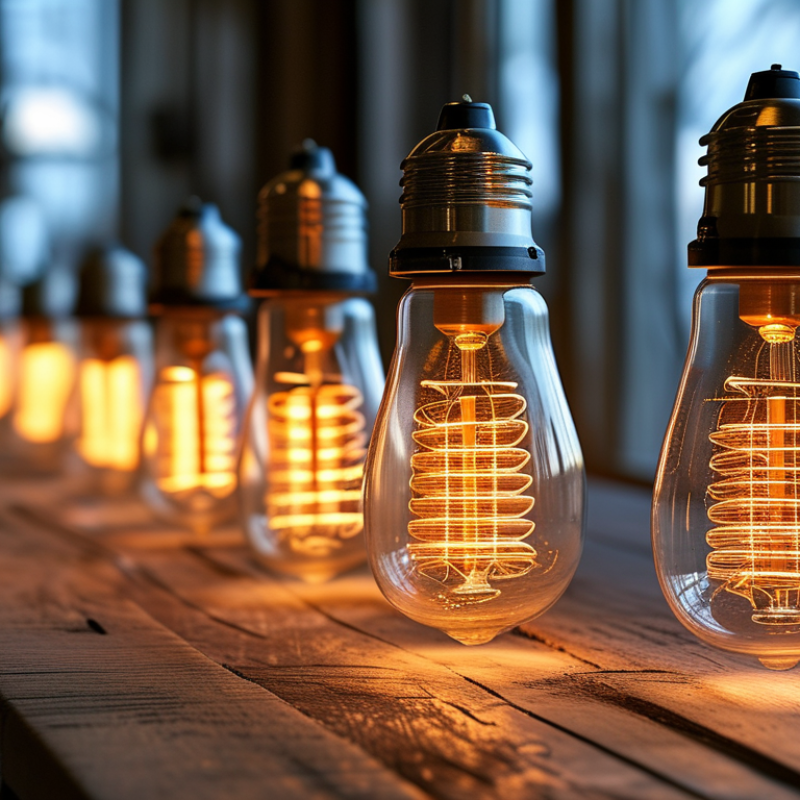
Smart bulbs have revolutionized home lighting with their innovative features. They can be controlled remotely and customized to fit various moods. Understanding their functionality helps users make the best choice for their homes. These bulbs typically use LED technology, which is energy-efficient and long-lasting. The ability to change colors or dim the light adds an extra layer of convenience and enjoyment.
However, when it comes to using smart bulbs in enclosed fixtures, safety concerns arise. Enclosed fixtures can trap heat, causing bulbs to overheat. Some smart bulbs are not rated for such use, leading to potential failures or safety hazards. It’s important to check the manufacturer's specifications before installation. A bulb that looks good might not perform well under certain conditions.
Users may find themselves torn between aesthetics and safety. Sometimes, the allure of smart technology makes one overlook the warnings. While innovation is exciting, caution is crucial to prevent potential accidents. Light fixtures, both smart and traditional, serve a purpose. Balancing style with safety enhances the overall home environment. Do your research, and always prioritize reliable information.
The Importance of Fixture Enclosure in Lighting Safety
When considering the use of smart bulbs in enclosed fixtures, safety should be a primary concern. Enclosed lighting fixtures can trap heat, which is a significant factor that can affect the performance and longevity of any light bulb. Smart bulbs, designed to operate at specific temperatures, may overheat in such environments. Using them in enclosed fixtures could lead to potential fire hazards.
Proper fixture enclosure plays a critical role in lighting safety. A well-designed enclosure allows for adequate airflow and heat dissipation. Without it, bulbs can fail prematurely or even create unsafe conditions.
Studies indicate that inadequate ventilation can lead to electrical failures and increased risks of fire. It’s vital to check the manufacturer's specifications before installation. The implications of neglecting these guidelines can be severe.
Personal experiences reflect the importance of using suitable lighting in enclosed environments. A friend had a bulb burst in an enclosed fixture, causing significant damage. This prompted a deeper understanding of fixture requirements. Choosing the right bulb ensures not just performance but safety. Taking time to evaluate fixture compatibility with smart bulbs can prevent unforeseen risks.
Compatibility of Smart Bulbs with Enclosed Fixtures
Smart bulbs have gained immense popularity, but their compatibility with enclosed fixtures raises safety concerns. Many users overlook the guidelines provided by manufacturers, which often specify whether a bulb is suitable for such environments. According to the National Electrical Manufacturers Association (NEMA), enclosed fixtures can cause significant heat buildup, potentially leading to bulb failure or even fire hazards.
Research indicates that around 20% of residential fires are linked to faulty lighting fixtures. Smart bulbs typically rely on advanced electronics and built-in sensors, increasing the potential risk when used in enclosed spaces. Heat generated from these bulbs can exceed the safety limits, causing premature failure. The American Lighting Association recommends verifying certification marks and compatibility claims before installation in enclosed settings.
Moreover, a 2021 study from the U.S. Department of Energy highlighted that nearly half of consumers are unaware of these risks. Many assume that all smart bulbs can be universally applied to any fixture. It’s crucial to heed manufacturer warnings and consider fixture design. Using bulbs inappropriately not only undermines their benefits but also compromises safety. We must reflect on our choices and prioritize knowledge when upgrading lighting solutions.
Safety Standards and Guidelines for Enclosed Lighting
When considering smart bulbs for enclosed fixtures, safety is a primary concern. Enclosed fixtures can trap heat. This heat buildup may shorten the lifespan of bulbs. It's crucial to check if the smart bulb is rated for enclosed spaces. Not all bulbs are designed for such environments. Many smart bulbs lack the necessary heat dissipation features, making them unsuitable.
Safety standards for lighting are not uniform. Various organizations provide guidelines to ensure safe usage. For instance, certain bulbs need to meet specific temperature ratings. Testing is vital to avoid hazards like overheating. Furthermore, it is essential to follow manufacturer recommendations. Incorrect installation can lead to failures.
Awareness of safety ratings can prevent accidents. Users should evaluate the fixture design and ventilation. Even with smart technology, traditional precautions apply. Ideally, consumers should prioritize products that explicitly state performance in enclosed settings. Lack of clarity in product labeling can sometimes mislead customers. Evaluating these details ensures a safer lighting experience.
Safety Compliance of Smart Bulbs in Enclosed Fixtures
This bar chart illustrates the percentage of smart bulbs that meet safety standards for use in enclosed fixtures. It's important to ensure that lighting solutions are compliant to avoid potential hazards.
Alternatives and Recommendations for Enclosed Fixture Use
Using smart bulbs in enclosed fixtures raises safety concerns. These bulbs generate heat, which can become trapped in an enclosed space. If the temperature exceeds safe levels, it can lead to bulb failure or even fire hazards. According to the National Electrical Manufacturers Association (NEMA), improper use can result in significant risks. Therefore, it's essential to weigh your options carefully.
Alternatives exist for those looking to brighten enclosed areas. Look for "A19" or "R30" LED bulbs that are specifically labeled for enclosed fixtures. These options are designed to withstand higher temperatures. Moreover, choosing bulbs with a lower wattage can help minimize heat buildup. A recent study suggests that using compatible fixtures reduces the risk of accidents considerably.
**Tip:** Ensure proper ventilation in the fixture. This can help dissipate heat effectively, increasing the lifespan of your bulb.
**Tip:** Always check the packaging for safety ratings. Many reputable sources provide guidelines on appropriate uses for various bulb types.
Smart bulbs are fantastic, but safety should never be compromised for convenience. Always take the time to understand the fixtures you're working with.
Conclusion
The article "Can Smart Bulbs Be Used in Enclosed Fixtures for Safety?" explores the compatibility and safety considerations regarding the use of smart bulbs in enclosed lighting fixtures. It begins by defining what smart bulbs are and detailing their functionality, emphasizing their energy efficiency and versatility. Then, it discusses the significance of fixture enclosure in ensuring lighting safety, particularly in preventing overheating and potential fire hazards.
Furthermore, the article examines whether can smart bulbs be used in enclosed fixtures, highlighting key safety standards and guidelines that govern enclosed lighting. It concludes with alternatives and recommendations for safely using smart bulbs in such settings, underlining the importance of adhering to manufacturers' specifications to ensure optimal performance and safety. Overall, it provides valuable insights for consumers considering the use of smart bulbs in enclosed environments.

 PureRay Light