Top 10 Reasons Why Solar Outdoor Lights Stop Working?

Time:2026-10-29 Author:Charlotte
0%

Solar outdoor lights are convenient until a familiar path turns dark after sunset. If a fixture stops glowing, the cause may be simple: a switch was left off, the panel is dusty, or nearby branches block sunlight. Other problems, such as a weakened battery or loose connection, are less obvious. That is why asking “why do solar outdoor lights stop working” calls for checking several parts, not just replacing the light.

This guide outlines ten common reasons, from poor panel placement and cloudy charging conditions to faulty sensors, damaged wiring, and aging components. A quick inspection can reveal practical clues: a shaded panel, a corroded contact, or a light that works only briefly after dusk. Small details matter. Still, one symptom can have more than one cause, and a battery that looks fine may no longer hold enough charge. We’ll explain what to check, what each sign may mean, and when a replacement is more sensible than another adjustment. The aim is useful troubleshooting, not a guaranteed fix. Some lights fail for reasons that are difficult to confirm without testing, and that uncertainty is worth acknowledging.
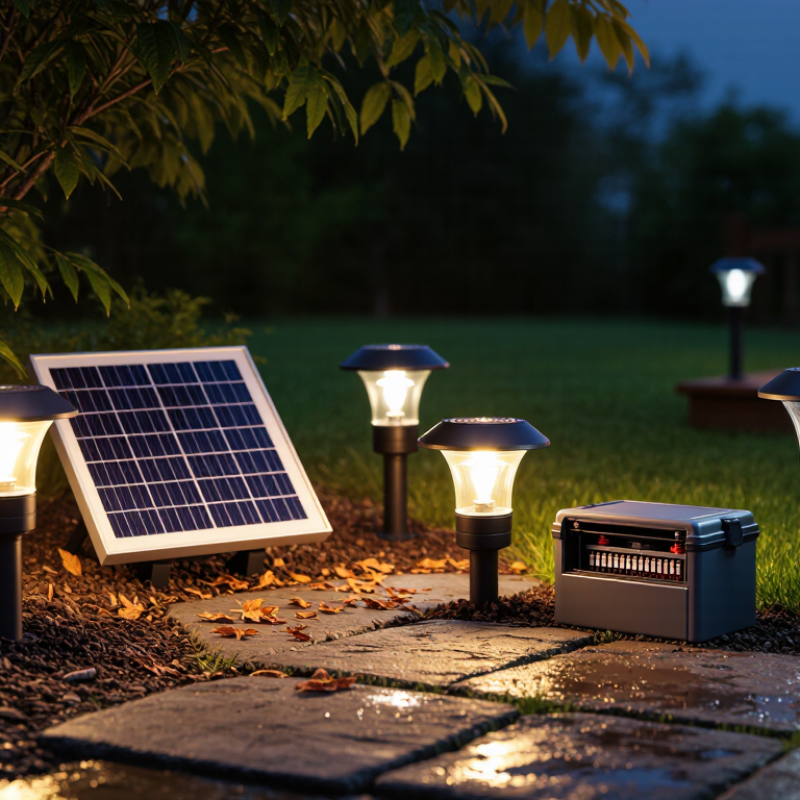
Top 10 Reasons Why Solar Outdoor Lights Stop Working?

How Solar Outdoor Lights Generate and Store Energy

Top 10 Reasons Why Solar Outdoor Lights Stop Working?
How Solar Outdoor Lights Generate and Store Energy

Solar outdoor lights turn sunlight into stored electrical energy. Small photovoltaic cells in the panel produce direct current when light reaches them. A charge controller helps regulate that current and sends it to a rechargeable battery. After dusk, a light sensor signals the circuit to draw power from the battery and run the LED. Simple process. But every part matters.

If a light fades or stops, its energy supply may be the issue. Dust, leaves, or a nearby wall can limit sunlight reaching the panel. Several cloudy days can also leave the battery undercharged, while short winter days offer fewer charging hours. Rechargeable batteries gradually lose capacity, too. So a light may still switch on, but run for less time than before. Check the panel and battery condition before assuming the LED has failed; a quick visual check cannot confirm battery health.

Tips: Wipe the panel with a soft, damp cloth, then place it in direct sun for a full day. Keep nearby branches from casting shade. If the light still dims quickly after several sunny days, the rechargeable battery may need replacement. Some models use sealed batteries, so check the product instructions before opening the housing.

How to Recognize When a Solar Light Has Stopped Working

A solar light may have stopped working if it stays dark after sunset, flickers, or shines for only an hour when nearby lights last longer. Check several nights, not just one cloudy evening. A dirty panel, new shade from a branch, or bright porch lighting can reduce charging or confuse the dusk sensor. Look for patterns.

Jordan and Kurtz’s 2013 review of photovoltaic degradation rates reported a median module decline of about 0.5% per year. This is useful industry context, not a direct test of small garden lights: gradual panel wear is different from a sudden failure. If cleaning the panel and moving the light into full sun do not help, a tired rechargeable battery, loose connection, or failed sensor may be responsible. The exact cause can be annoyingly hard to spot.

Tips: Switch the light off for a full sunny day, then test it after dark. Compare its glow and run time with a working light nearby. If it remains dim, inspect the battery compartment for corrosion or a poorly seated battery, following the unit’s instructions. Don’t assume the panel is faulty first.

The 10 Most Common Reasons Solar Outdoor Lights Fail

Top 10 Reasons Why Solar Outdoor Lights Stop Working?
The 10 Most Common Reasons Solar Outdoor Lights Fail

Solar outdoor lights often fail for simple, overlooked reasons. Dust, bird droppings, or leaves can block the panel. Nearby trees, walls, and seasonal shade reduce sunlight. Short winter days may leave batteries undercharged. A worn rechargeable battery stores less energy. The switch may be off, or a loose wire may interrupt power. Moisture can corrode contacts or damage seals. A faulty light sensor may misread dusk. The LED can fail, though it is not always the first component to check. Excessive heat, freezing weather, or poor placement can also shorten component life. Small details matter.

The U.S. Department of Energy’s Energy Saver guidance gives typical LED lifetimes of 25,000 to 50,000 hours. That figure applies to LED lamps, not the whole solar fixture. In practice, the battery, panel, and connections may need attention sooner. A light that dims after a few hours often points to weak charging or reduced battery capacity. Still, one symptom rarely proves the cause; a quick glance can miss corrosion inside the housing.

Tips: Wipe the panel with a soft, damp cloth. Check it in direct midday sun, then inspect the switch, wiring, and battery compartment. Replace batteries only with the specified type. If the light still fails, test it in a different location for several clear days. A little patience helps.

Top 10 Reasons Why Solar Outdoor Lights Stop Working

A practical troubleshooting order, from the simplest checks to less common component faults. Scores indicate check priority—not measured failure rates.

Start by checking the switch, sunlight exposure, and battery. Clean the solar panel and sensor, then inspect wiring and components if the light still does not work. Replace batteries only with the type specified for the light.

How to Check the Battery, Panel, Sensor, and Wiring

Top 10 Reasons Why Solar Outdoor Lights Stop Working?

How to Check the Battery, Panel, Sensor, and Wiring

When a solar outdoor light goes dark, check it after a sunny day, not one cloudy evening. Shade, dust, and a tilted panel can reduce charging time. Wipe the panel with a damp cloth, then confirm it receives several hours of direct sunlight.

A 2013 review by NREL researchers reported a median photovoltaic system degradation rate of about 0.5% per year. That broad benchmark does not predict the lifespan of a small garden-light panel. Sudden failure calls for closer checks.

Switch the light off before inspecting its battery. Look for corrosion, swelling, or loose contacts, and use only the specified battery chemistry and voltage. Cover the panel to test the sensor; the lamp should respond as darkness falls, though some models have a delay.

Clear webs from the sensor lens and check that branches or streetlights are not affecting it. Inspect accessible wiring for pinches, cracked insulation, or damp connectors. Do not pull sealed joints apart.

A weak battery can mimic a faulty sensor. Easy to miss.

How to Maintain Solar Lights and Prevent Future Problems

Solar outdoor lights often fail because their panels receive too little sun, their batteries wear out, or dirt blocks charging. Start with the simple checks: wipe the panel with a soft, damp cloth, remove leaves, and make sure nearby plants have not begun shading it. Check that the switch is on and the light is not near a bright porch lamp that confuses its dusk sensor. Small details matter.

Battery condition deserves attention. Rechargeable cells lose capacity with age, heat, and repeated charging, so a light that fades early may need a battery replacement rather than a new panel. NREL researchers reviewed nearly 2,000 photovoltaic module degradation rates and found a median rate of about 0.5% per year (Jordan and Kurtz, Progress in Photovoltaics, 2013). That figure describes PV modules, not small garden lights, so treat it as context—not a lifespan promise. A clean panel cannot fix a tired battery.

Tips: Every few weeks, clear the panel and check for loose connections or cracked covers. In winter, reposition lights for longer sun exposure and keep snow off the panel. If a light still dims after a full sunny day, test its battery before replacing the whole unit. It is easy to blame the panel first; the battery may be the overlooked fault.

FAQS

Why does my solar light stay dark after sunset?

Check the switch, panel, and surroundings. Dirt, shade, or bright porch lighting can interfere with charging or dusk detection. Look for patterns over several nights.

How can I tell if the panel needs cleaning?

Dust, leaves, and bird droppings can block sunlight. Wipe the panel with a soft, damp cloth, then test it in direct midday sun.

Could a nearby porch light stop my solar light from turning on?

Yes. Bright nearby lighting may confuse the dusk sensor. Move the light away from the porch lamp and check it after dark.

Why does my light shine brightly, then fade after an hour?

The battery may have lost capacity or may not be charging fully. Clean the panel and give it a full sunny day before testing again. One night proves little.

Should I replace the panel if the light stays dim?

Not right away. Check for shade, a loose connection, or a worn battery first. A clean panel cannot restore a tired battery.

What should I inspect in the battery compartment?

Follow the light’s instructions. Look for corrosion or a battery that is not seated properly. Replace it only with the specified type.

Can cold or winter shade affect solar lights?

Yes. Short winter days and nearby shade can reduce charging. Clear snow from the panel and reposition the light for more direct sun.

How do I check whether the problem is the light’s location?

Try it in a sunnier spot for several clear days. Compare its brightness and run time with a working light nearby. The cause can be hard to spot.

Conclusion

Solar outdoor lights collect sunlight through photovoltaic panels and store the resulting energy in rechargeable batteries for use after dark. When a light becomes dim, turns off early, or fails to switch on, these symptoms can help identify the problem. Understanding why do solar outdoor lights stop working often starts with checking for insufficient sunlight, dirt or shade on the panel, a depleted or worn battery, incorrect positioning, or a faulty light sensor. Loose wiring, corrosion, moisture, damaged components, and unsuitable settings can also prevent reliable operation.

A simple inspection can help narrow down the cause: clean and reposition the panel, confirm the switch and sensor are working, and examine the battery and wiring for visible wear or loose connections. Replace a battery only when needed and use a compatible type. Regular cleaning, proper placement in direct sunlight, and occasional checks of the panel, housing, and connections can improve performance and help prevent future failures.

Charlotte

Charlotte

Charlotte is a seasoned marketing professional with a deep understanding of the company's portfolio and a passion for elevating its presence in the market. With a keen eye for detail and a commitment to excellence, she ensures that our professional blog is regularly updated with insightful articles......