When pondering the question, "can I use indoor lamps outside," it’s essential to consider various factors. Indoor lamps are designed for controlled environments. They are often not built to withstand outdoor elements like moisture, heat, and wind. Using them outdoors can lead to malfunction or damage. Imagine a cozy patio that suddenly loses its charm because of a faulty lamp.
Outdoor lighting needs specific features. Weather resistance and durability are crucial. Indoor lamps typically lack this protection. The risk of electrical hazards also looms larger outside. Water exposure could cause a short circuit. It raises an essential question of safety.
Moreover, there’s an aesthetic aspect to reflect on. Indoor lamps might not complement outdoor settings. They can clash with garden designs or patio furniture. While creativity is encouraged, practicality must not be overlooked. Knowing the risks helps in making safe choices, ensuring a pleasant outdoor experience.
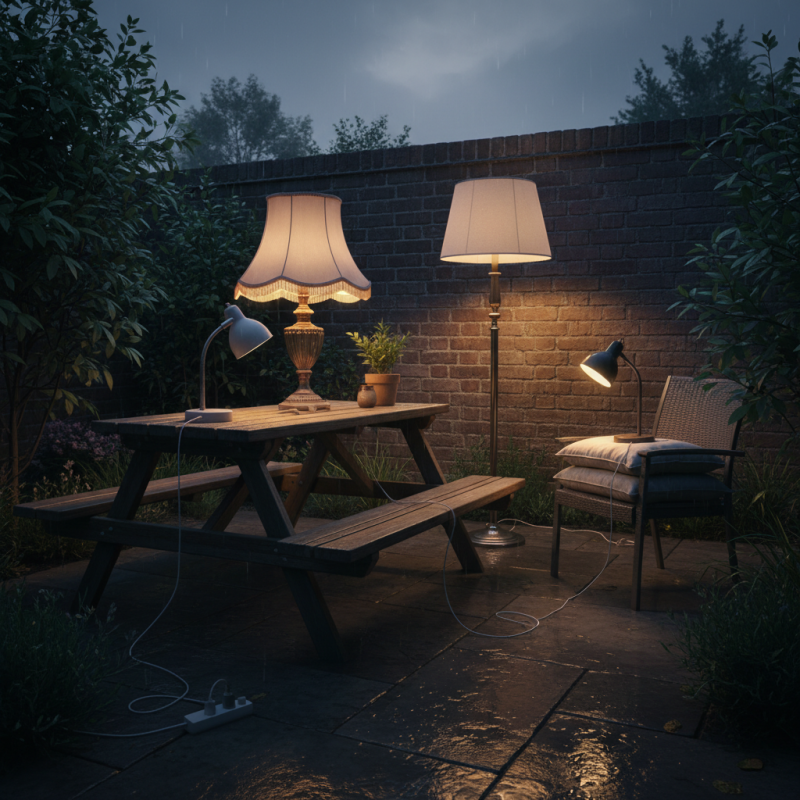
Understanding Indoor vs. Outdoor Lamps: Key Differences
When choosing lamps for outdoor use, understanding the differences between indoor and outdoor lamps is crucial. Indoor lamps are not designed to withstand the elements. They often lack protective coatings or materials that can endure moisture, wind, and temperature changes. This makes them susceptible to rust, short circuits, and other damage when placed outside.
Outdoor lamps, in contrast, are built to be resilient. They feature weather-resistant materials and have seals to keep water out. This durability ensures they can handle exposure to rain, snow, and direct sunlight. The design also incorporates safe electrical configurations to prevent hazards outdoors.
While you might be tempted to use an indoor lamp outside, consider the risks. An indoor lamp exposed to rain can become a safety hazard. The lighting might malfunction or fail entirely. It's important to reflect on these differences when planning your outdoor lighting. Remember, choosing the right type of lamp is vital for safety and longevity.
Risks of Using Indoor Lamps Outdoors: Safety Hazards Explained
Using indoor lamps outdoors might seem convenient, but it carries significant risks. Indoor lamps are not designed to withstand outdoor conditions. Rain, humidity, and temperature fluctuations can cause electrical failures. This could lead to short circuits or even fires. Many indoor lamps lack adequate water resistance. Even a light drizzle can damage them.
Moreover, the materials used in indoor lamps often degrade quickly when exposed to sunlight. Plastic parts may weaken and break. Metal components can rust or corrode over time. This deterioration makes the lamps unsafe to use, posing a serious risk of electric shock. It's also important to consider the grounding of the lamp. Many indoor lamps are not grounded adequately for outdoor use, increasing the chance of accidents.
The appeal of using an indoor lamp outside is understandable. However, safety must come first. Investing in proper outdoor lighting is a wise choice. Outdoor-rated fixtures are designed to handle the elements. They provide reliable lighting without compromising safety. Reflecting on your current lighting choices can enhance both aesthetics and safety in your outdoor spaces.
Factors to Consider Before Moving Indoor Lamps Outside
Before using indoor lamps outside, several factors demand attention. Indoor lamps often lack the waterproofing necessary for outdoor use. Many outdoor environments expose these lamps to moisture and extreme temperatures. According to the National Electrical Manufacturers Association (NEMA), using indoor lighting fixtures outside can increase the risk of electrical failures, which might lead to dangerous situations.
Another key consideration is the durability of materials. Indoor lamps are typically designed for controlled environments. They may fade, crack, or warp when exposed to UV light or fluctuating temperatures. Research published by the Lighting Research Center indicates that UV exposure can reduce the lifespan of electronic components within indoor lamps by up to 50%. This highlights why using indoor lamps outdoors may lead to unreliability.
Electrical safety is paramount. According to the U.S. Consumer Product Safety Commission, improper use of indoor lamps outside has caused numerous accidents over the years. Even simple adaptations, like using extension cords, can create hazards if they are not rated for outdoor use. Users must ensure that any modifications comply with safety standards. Ultimately, switching indoor lamps to outdoor spaces requires thoughtful consideration of these risks.
Recommended Outdoor Lighting Options for Safety and Efficiency
When considering outdoor lighting, safety and efficiency are paramount. Many homeowners attempt to use indoor lamps outside, but this can pose risks. Indoor lamps are often not built to withstand outdoor conditions. They lack proper sealing against moisture and can easily short-circuit. Exposure to rain, wind, and temperature changes can damage these lamps. Therefore, choosing the right lighting options is essential.
LED floodlights and wall-mounted fixtures are popular choices for outdoor spaces. They are designed for durability and energy efficiency. Unlike indoor lamps, these fixtures are weather-resistant and safe for external use. Solar-powered lights are another great option. They harness the sun's energy during the day to illuminate your garden or pathway at night. Additionally, motion-sensor lights enhance security while reducing energy consumption.
It’s important to reflect on your lighting needs. Consider the areas you plan to illuminate. Will it be a patio, garden, or walkway? Each area may require different types of lights. It’s also wise to think about aesthetics. The right outdoor lighting can enhance your home's beauty while providing essential safety. While it may seem easier to use what you have, investing in outdoor-specific fixtures is a safer, more efficient choice.
Can I Use Indoor Lamps Outside Without Risk? - Recommended Outdoor Lighting Options for Safety and Efficiency
| Lighting Option |
Type |
Watts |
IP Rating |
Use Case |
| LED Flood Light |
Outdoor |
30-100 Watts |
IP65 |
Garden, Pathways |
| String Lights |
Outdoor |
5-20 Watts |
IP44 |
Patios, Events |
| Solar Lantern |
Outdoor |
3-10 Watts |
IP65 |
Camping, Walkways |
| Wall-mounted Sconce |
Outdoor |
8-30 Watts |
IP65 |
Entryways, Patios |
| Post Cap Light |
Outdoor |
5-15 Watts |
IP44 |
Decks, Fences |
Best Practices for Protecting Indoor Lamps Used in Outdoor Settings
Using indoor lamps outdoors can pose risks. Indoor lamps are not designed for exposure to moisture, UV rays, or temperature fluctuations. According to the National Electrical Manufacturers Association (NEMA), a significant number of electrical hazards occur due to improper usage of lighting fixtures. Therefore, understanding best practices is essential for safe use in outdoor settings.
To protect indoor lamps, consider using waterproof lamp housings designed for outdoor use. These housings can shield lamps from rain and humidity. Additionally, using an outdoor-rated extension cord can further prevent electrical hazards. Keep indoor lamps in shaded areas to limit direct sun exposure. This can help preserve their functionality longer.
**Tips:** Avoid using extension cords for prolonged periods. Regularly inspect your lamps and cords for wear or damage. If any signs of exposure-related damage appear, it's wiser to discontinue outdoor use. Always prioritize safety over aesthetics.
Safety Risks of Using Indoor Lamps Outdoors
FAQS
: Indoor lamps are not designed for outdoor conditions. They lack water resistance and can be damaged by moisture.
Indoor lamps may cause electrical failures, short circuits, or even fires when exposed to outdoor elements.
Outdoor lamps use durable materials that resist UV light and moisture. Indoor lamps can fade or break easily in such conditions.
Rain and UV exposure can cause indoor lamps to rust, crack, or malfunction quickly, posing safety risks.
Indoor lamps often lack proper grounding. This increases the risk of electric shock when used in outdoor environments.
Modifying indoor lamps for outdoor use can be dangerous. Any alterations must adhere to safety standards to prevent hazards.
Safety is crucial, but outdoor lamps also offer reliability and longevity that indoor lamps cannot provide in outdoor spaces.
Even light moisture can damage indoor lamps, causing them to malfunction or become a fire hazard.
Research indicates UV exposure can cut the lifespan of electronic components in indoor lamps by up to 50%.
Reflect on safety, lighting quality, and the proper type of lamp to enhance both aesthetics and functionality in outdoor settings.
Conclusion
When considering the question, "can I use indoor lamps outside," it's essential to understand the key differences between indoor and outdoor lamps. Indoor lamps are typically designed for a controlled environment, lacking the protective features necessary to withstand outdoor elements like moisture and temperature fluctuations. Using indoor lamps outdoors can lead to various safety hazards, including electrical shock and fire risks.
Before moving indoor lamps outside, several factors should be assessed, such as weather conditions and the lamp's construction. For safer and more efficient outdoor lighting, choosing products specifically designed for outdoor use is recommended. If you decide to use indoor lamps in outdoor settings, employing best practices—such as using protective covers and ensuring proper electrical connections—can help mitigate risks and prolong the lifespan of your indoor lamps.

 PureRay Light