Why Learn How to Hide Lamp Cords on the Floor?

Time:2026-09-17 Author:Amelia
0%

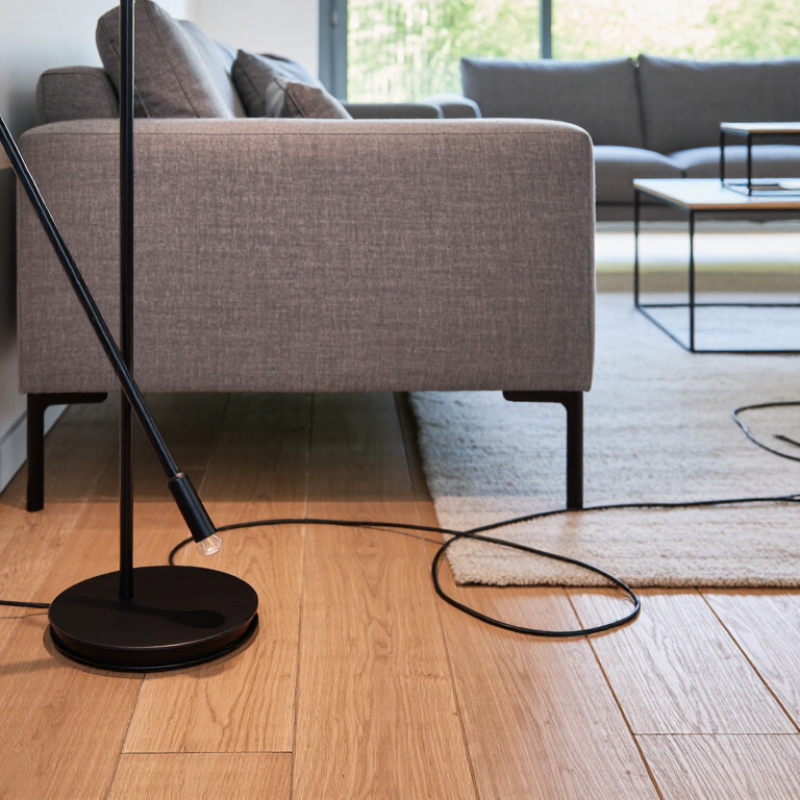
Learning how to hide lamp cords on the floor is more than an interior-design preference. It combines visual order, walking safety, and responsible electrical planning. A loose black cord can cross a pale rug like a thin tripwire. It may also collect dust, twist beneath furniture, or suffer damage from repeated foot traffic.

The National Fire Protection Association reports that electrical distribution and lighting equipment contributed to thousands of U.S. home fires during its recent five-year study period. The report does not isolate floor lamp cords, but it shows why small electrical details deserve attention. The Electrical Safety Foundation International also warns against using extension cords as permanent wiring. ESFI president Brett Brenner states, “Extension cords should only be used temporarily.” That guidance matters when arranging a reading lamp beside a sofa or bed.

A practical approach begins with measuring the shortest safe route. Use a low-profile, flame-resistant cord cover designed for floor traffic. Secure it without crushing the cable. Keep plugs visible and avoid placing cords beneath loose rugs, wet areas, or heavy furniture. For a cleaner result, route the cable along a wall edge, match the cover to the flooring, and leave enough slack near the lamp.

The result may not look perfect. That is acceptable. Safety should win over invisible styling. Still, many homeowners hide cords too tightly, creating stress points near the plug. A tidy floor is useful only when the electrical connection remains accessible, undamaged, and easy to inspect.
Why Learn How to Hide Lamp Cords on the Floor?

Assess Trip Hazards: CPSC Reports 8 Million Fall ER Visits Each Year

Loose lamp cords are small objects, but they can create a serious walking hazard. The U.S. Consumer Product Safety Commission reports about 8 million fall-related emergency department visits each year. This figure covers many causes, not only household cords. Still, it shows how quickly a minor obstruction can become a painful injury.

In practical room assessments, cords often cross walkways near sofas, beds, and reading chairs. A dark cable against a dark floor is easy to miss. Older adults, children, and anyone carrying laundry may have less time to react. The Centers for Disease Control and Prevention reports that more than 3 million older adults receive emergency care for fall injuries annually. A lamp cord may not be the main cause, but it can add risk to an already busy path.

Hiding a floor lamp cord should begin with observation. Walk through the room with the lights on and off. Check the route from the doorway to the seating area. Keep the cord close to a wall, secure it with a low-profile floor cord cover, and avoid placing rugs over loose cables. Do not pinch cords under heavy furniture, where insulation can wear unnoticed. I have found that tidy-looking rooms still contain overlooked trip points. A quick floor-level inspection can reveal them. CPSC’s National Electronic Injury Surveillance System provides estimates, not a perfect record of every incident. That limitation deserves attention when interpreting safety statistics.

Plan a Safer Cord Route Under OSHA 29 CFR 1910.22(a)(3)

Learning how to hide lamp cords on the floor is not only about appearance. In a workplace, cord placement can affect walking-working surface safety. OSHA 29 CFR 1910.22(a)(3) requires these surfaces to remain free from hazards, including protruding objects, loose materials, leaks, and spills. A cord crossing a walkway may create a similar trip concern.

Plan the route before moving furniture. Keep the cord along a wall, behind a stable cabinet, or outside the main walking path. Avoid doorways, chair legs, and areas where people carry boxes. Use a low-profile cord cover when the cable must cross a floor. It should sit flat, match the floor shape, and resist sliding. Do not rely on a loose rug. It may curl, shift, or hide damage.

Inspect the route under normal lighting. Then check it while carrying something. That test often reveals problems. Keep plugs and connections away from wet areas, heat sources, and crushing points. Leave enough slack near the lamp, but do not create a loop. Secure the cable without pinching its insulation. Keep it visible where concealment would make inspection difficult.

A safer route is not always the neatest route. That is worth remembering. Recheck the cord after cleaning, furniture changes, or frequent traffic changes. Document the inspection in a workplace setting, and ask a qualified safety professional when the route remains uncertain.

Select Floor Cord Covers Rated for the Cable Type and Traffic Load

Why Learn How to Hide Lamp Cords on the Floor?

A floor cord cover should do more than hide a lamp cable. It must match the cable type, width, and expected traffic load. A lightweight rubber cover may suit a home office with occasional foot traffic. It may fail in a hallway where shoes, carts, and chairs cross repeatedly. Check the product’s load rating, channel dimensions, surface grip, and fire-performance information before installation. The neatest option is not always the safest.

OSHA’s walking-working surface rule, 29 CFR 1910.22, requires floors and passageways to remain clean, orderly, and free from hazards. That matters because the Liberty Mutual Workplace Safety Index estimated that same-level falls cost U.S. employers $10.7 billion in 2020. A raised or shifting cord cover can create the exact trip edge it was meant to prevent. Keep the cover flat, secure both ends, and avoid placing it across stairs or door hinges. Measure twice.

Cable selection also requires care. A power cord, data cable, and thicker extension cable may need different channels or protection levels. Confirm the cover is suitable for the cable’s diameter and insulation, rather than forcing a tight fit. I once assumed a low-profile cover was automatically safer. That was a poor assumption. Traffic patterns change, and ratings can be misunderstood. Recheck the installation after several days, especially where dust, cleaning equipment, or rolling office chairs are common.

Install Without Overloading: Follow NEC 400.12 and Manufacturer Limits

Why Learn How to Hide Lamp Cords on the Floor?

A hidden lamp cord should still be easy to inspect. Safety comes before appearance. NEC 400.12 generally prohibits using flexible cords as permanent building wiring or routing them through floors, walls, ceilings, or similar openings. Do not bury a cord under flooring, push it through a wall, or trap it beneath a heavy cabinet. That neat shortcut can create heat, abrasion, or difficult-to-find damage.

Keep the cord along a wall edge, where it remains visible and protected. Use a low-profile floor cord cover designed for electrical cables, and follow its load instructions. Avoid placing loose cords under rugs.

Before connecting lamps, check each lamp’s wattage and the circuit’s rating. Add the loads together. A power strip or extension cord also has a maximum capacity, and its manufacturer’s limit matters.

I measure twice now. Earlier, I focused too much on hiding the cable and overlooked the plug’s position. That was a useful mistake. Leave gentle slack near the lamp, keep connections away from wet areas, and never daisy-chain power strips.

Inspect for crushed insulation, warm plugs, discoloration, or loose connections. Stop using damaged equipment. If the route is uncertain, ask a qualified electrician to review it against NEC requirements and local electrical rules. Neat is not always safe.

Inspect for Damage Using ESFI Electrical-Safety Recommendations

Why Learn How to Hide Lamp Cords on the Floor?

A tidy floor can make a room feel safer, but concealment should never come before inspection. ESFI electrical-safety recommendations encourage checking cords and plugs before every regular use. Unplug the lamp first. Then run your fingers lightly along the cord, watching for cuts, flattened sections, exposed wires, or soft spots. Look closely at the plug. Bent blades, scorch marks, cracks, or looseness require attention.

Small details matter.

Place the cord under bright light, especially near the plug and lamp base. These areas often bend repeatedly and may weaken without obvious warning. Watch for warmth, buzzing, flickering, or a burning smell during operation. Those signs mean the lamp should be unplugged and removed from service. Do not cover damage with tape or push a worn cord beneath a rug. That choice can trap heat and hide a developing hazard.

After the cord passes inspection, route it along a wall or behind stable furniture. A purpose-made floor cord cover can reduce tripping, but it must fit properly and remain visible. Avoid tight bends, pinching, and heavy furniture pressing on the cable. I sometimes focus too much on making a room look perfect. That is a mistake. Safety checks may leave the cord slightly visible, and that is acceptable. Inspect again whenever the lamp is moved, cleaned, or stored.

Why Learn How to Hide Lamp Cords on the Floor? - Inspect for Damage Using Electrical-Safety Recommendations

Safety Dimension What to Inspect or Consider Safe Practice Recommended Response
Frayed or cut insulation Look for exposed conductors, splits, deep cuts, melted areas, or missing insulation along the entire cord. Keep damaged cords out of service. Do not conceal damage beneath a floor covering or cord channel. Unplug the lamp and replace the damaged cord or have it evaluated by a qualified electrical professional.
Plug condition Check for bent or loose blades, cracked housing, discoloration, scorch marks, or a loose connection at the plug. Insert and remove the plug by holding the plug body rather than pulling the cord. Stop using the lamp if the plug is damaged, hot, loose, or shows signs of overheating.
Connection at the lamp Inspect the point where the cord enters the lamp for looseness, exposed wiring, crushing, or strain. Do not bend the cord sharply or use the cord to move or support the lamp. Disconnect power before examining the connection and arrange repair or replacement if it is loose or damaged.
Placement under rugs or carpets Check whether the cord is covered by a rug, carpet, mat, or furniture. Do not run lamp cords under rugs or carpets because concealed cords can be damaged and heat can accumulate. Reroute the cord along a visible wall edge or use a purpose-designed, properly sized floor cord cover.
Trip and crushing hazards Identify walkways, doorways, chair legs, rolling furniture, and areas where the cord may be pinched or pulled. Route cords away from traffic paths and secure them without staples, nails, or other fasteners that can pierce insulation. Move the lamp or change the routing if the cord creates a trip, pinch, or crushing risk.
Heat and overloading Watch for a hot plug, warm cord, burning odor, buzzing, flickering, or discoloration around the outlet. Use the lamp within its marked electrical rating and avoid overloading outlets or extension devices. Turn off and unplug the lamp if abnormal heat, odor, noise, or flickering occurs; investigate the cause before reuse.
Use of extension cords Check for damaged extension cords, loose connections, improper ratings, or permanent installation. Use extension cords only when necessary, keep them visible, and select one suitable for the lamp’s electrical load. Replace damaged cords and avoid using extension cords as a permanent substitute for a properly located outlet.
Inspection timing Inspect before first use, after moving the lamp, after cleaning, and whenever the cord has been pulled or pinched. Keep the cord accessible enough for routine visual checks rather than permanently hiding it. Make inspection part of routine household maintenance and immediately address visible defects.
Cleaning and maintenance Check for dust, moisture, loose parts, or damage after cleaning or spills. Unplug the lamp before cleaning and keep electrical connections dry. Do not reconnect the lamp until moisture has been removed and the cord, plug, and outlet appear safe.
Stop-use rule: If a lamp cord or plug has exposed wires, burn marks, melting, repeated tripping, unusual heat, smoke, or a burning odor, unplug it if safe to do so and have it repaired or replaced before further use.

FAQS

What should I check before choosing a floor cord cover?

Check the cable diameter, channel size, traffic rating, grip, and fire-performance information. Measure twice. A cover suited to a quiet office may fail in a busy hallway.

Where should I place a lamp cord on the floor?

Route it along a wall edge whenever possible. Keep it away from stairs, door hinges, wet areas, and rolling chair paths. The shortest route is not always the safest route.

Can I hide a lamp cord beneath a rug or flooring?

Avoid placing loose cords beneath rugs. Do not bury cords under flooring or trap them beneath heavy cabinets. These shortcuts can hide damage and retain heat.

How can I prevent a cord cover from becoming a trip hazard?

Keep the cover flat and secure both ends. Use a product with strong surface grip and suitable traffic capacity. Check it again after cleaning or moving furniture.

Can one cord cover fit every cable?

No. Power cords, data cables, and thicker extension cables may need different channels. Never force a cable into a tight channel or crush its insulation.

What should I inspect on a lamp cord?

Unplug the lamp and inspect the cord under bright light. Look for cuts, flattened sections, exposed wires, soft spots, or discoloration. Check the plug for cracks, bent blades, scorch marks, or looseness.

What warning signs mean I should stop using the lamp?

Stop using it if you notice warmth, buzzing, flickering, burning smells, or damaged insulation. Do not cover damage with tape. Remove the lamp from service and seek qualified electrical advice.

How much electrical load can a lamp cord and power strip handle?

Add the wattage of all connected devices. Stay within the cord, power strip, extension cord, and circuit ratings. Never connect power strips in a chain.

What mistakes are easy to make when hiding lamp cords?

I once assumed a low-profile cover was automatically safer. That assumption was wrong. Traffic patterns, plug positions, dust, and chair wheels can change the risk. Leave gentle slack near the lamp and inspect the route regularly.

Conclusion

Learning how to hide lamp cords on the floor is an important part of creating a safer, cleaner home or workspace. Loose cords can become trip hazards, especially in walkways, near seating areas, and around entrances. With millions of fall-related emergency room visits reported each year, the first step is to assess where people walk and plan a cord route that stays close to walls or furniture. The route should also support good housekeeping practices consistent with OSHA 29 CFR 1910.22(a)(3).

Choose a floor cord cover that matches the cable type and can handle the expected foot traffic. Install it without bending, crushing, stretching, or placing too many cables inside, and follow NEC 400.12 along with the manufacturer’s capacity and installation limits. After installation, inspect the cover and cord regularly for cuts, exposed wiring, loose sections, overheating, or other damage. Promptly replace damaged components and keep the pathway clear so the lighting setup remains both practical and safe.

Amelia

Amelia

Amelia is a seasoned marketing professional with a wealth of expertise in our company’s core offerings. With an unwavering passion for driving growth and innovation, she plays a pivotal role in shaping our marketing strategies and enhancing brand visibility. A key aspect of her responsibilities......