Why should i switch to led spotlights? It is a practical question for homeowners, designers, and facility managers weighing comfort, cost, and control. LED spotlights can produce focused light over a kitchen island, reading chair, retail shelf, or artwork. They use less electricity than many older halogen lamps and usually last much longer. That difference can reduce replacement work, especially in high ceilings or busy commercial spaces. Still, efficiency alone is not enough. A poorly chosen beam angle can create harsh shadows, glare, or bright patches across the floor.
Real-world experience suggests that good results depend on more than the bulb. Check color temperature, lumen output, dimmer compatibility, and the fitting’s heat management. A warm 2700K lamp may suit a bedroom, while a 4000K option can support a workshop or office. Look for tested products from reputable manufacturers, clear safety markings, and published performance data. Professional installation also matters when wiring, insulation, or recessed housings are involved. LED is not magic. Some inexpensive models flicker, fade, or fail earlier than promised. I have seen attractive lighting plans become uncomfortable because specifications were ignored. That is worth admitting. The strongest decision comes from comparing the existing fixture, expected running hours, local electrical requirements, and the atmosphere you want. This guide examines why should i switch to led spotlights, including energy use, visual comfort, maintenance, design flexibility, and limitations that deserve an honest look.
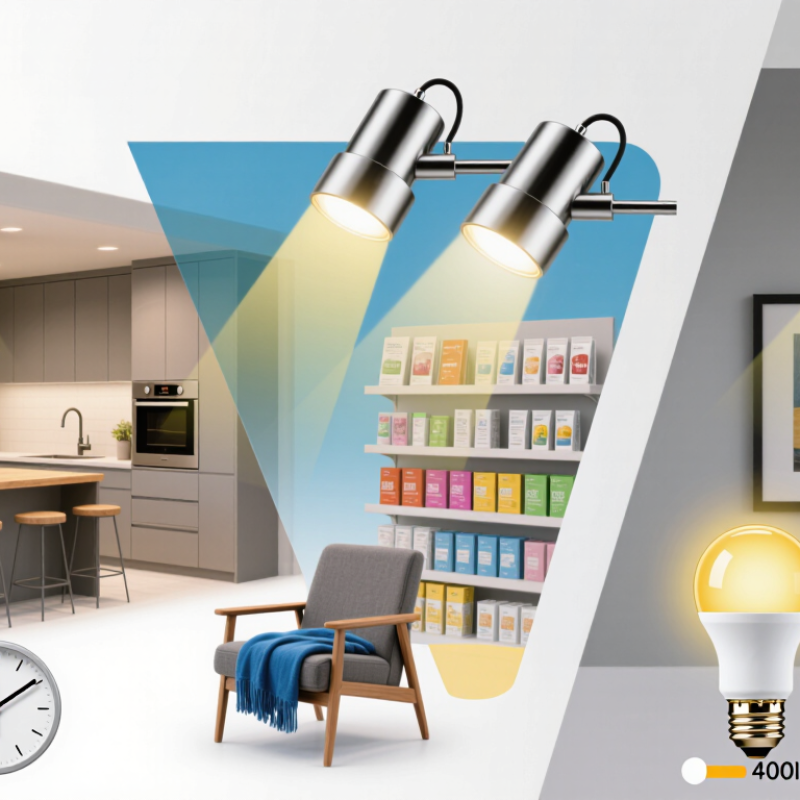
What Are LED Spotlights and How Do They Work?
An LED spotlight is a directional light built around light-emitting diodes, or LEDs. Each diode uses a semiconductor to produce light when electric current passes through it. Unlike an incandescent bulb, it does not heat a wire until it glows. A small electronic driver controls the current and changes household electricity into a form the LEDs can use.
The light then passes through a lens or reflector. This shapes the beam, making it narrow for artwork or wider for a kitchen counter. In practical use, beam angle matters as much as brightness. I once assumed a higher lumen rating always meant a better spotlight. That was too simple. Glare, color accuracy, placement, and room size also affect the result.
A 24-degree beam creates a sharper pool of light, while a 60-degree beam spreads illumination more gently.
LED spotlights usually consume less electricity and last longer than older spotlight technologies. They also reach full brightness quickly. However, they still produce heat at the back of the diode, so a metal heat sink is important. Poor ventilation can shorten performance and increase color changes over time. Check the color temperature before installation. Warm white feels comfortable in living spaces, while cool white can look clearer in work areas. Some fittings may need compatible dimmers, and not every replacement fits an existing socket. Measure carefully. It saves an irritating second purchase.
How Do LED Spotlights Compare with Traditional Lighting?
Why Should I Switch to LED Spotlights?
How Do LED Spotlights Compare with Traditional Lighting?
LED spotlights use less electricity than incandescent or halogen lamps for similar brightness. In a small kitchen, that difference becomes visible on monthly energy bills. They also produce focused beams, making worktops, shelves, and artwork easier to illuminate. Traditional bulbs often spread light more widely, but much of that light may miss the area you actually use.
LEDs usually last far longer than filament bulbs. This matters in high ceilings or busy retail spaces, where frequent replacement is inconvenient. They also turn on instantly and produce less wasted heat. However, brightness alone can mislead. A poorly chosen LED may create harsh shadows or an uncomfortable blue tone. Check lumens, beam angle, and colour temperature before buying.
Not always perfect.
Traditional halogen lighting can feel warmer and more natural in some rooms. It may also offer simpler dimming, while certain LED spotlights need compatible dimmer switches. I have seen installations where the lamps worked well, but the old dimmer caused flickering. That detail is easy to overlook. Reliable guidance comes from checking electrical specifications and local safety requirements, not from packaging claims alone. LEDs usually cost more initially, so the best choice depends on usage hours, replacement access, and the atmosphere you want.
Why Should I Switch to LED Spotlights? - How Do LED Spotlights Compare with Traditional Lighting?
| Comparison Factor |
LED Spotlight |
Halogen Spotlight |
Compact Fluorescent Spotlight |
| Typical power for approximately 800 lumens |
8–10 W |
42–50 W |
13–15 W |
| Typical luminous efficacy |
80–120 lm/W |
15–22 lm/W |
50–70 lm/W |
| Rated service life |
25,000–50,000 hours |
2,000–4,000 hours |
6,000–15,000 hours |
| Heat released into the room |
Low |
Very high |
Moderate |
| Light-up time |
Instant |
Instant |
May require several seconds to reach full brightness |
| Color temperature options |
Typically 2,700–6,500 K |
Typically 2,700–3,000 K |
Typically 2,700–6,500 K |
| Dimming compatibility |
Usually available, but requires a compatible dimmer |
Generally excellent with compatible dimmers |
Often limited; compatibility varies |
| Mercury content |
No mercury in the light source |
No mercury in the light source |
Contains a small amount of mercury and requires proper recycling |
| Energy used over 25,000 hours* |
200–250 kWh |
1,050–1,250 kWh |
325–375 kWh |
| Estimated electricity cost over 25,000 hours* |
$30–$38 |
$158–$188 |
$49–$56 |
| Best suited for |
Frequent-use areas, accent lighting, task lighting, and energy-conscious installations |
Applications requiring warm light and simple dimming |
General-purpose lighting where moderate efficiency is acceptable |
*Illustrative calculation based on approximately 800 lumens, continuous operation for 25,000 hours, and an electricity rate of $0.15 per kWh. Actual performance depends on product design, operating temperature, installation, controls, and local electricity rates.
What Benefits Do LED Spotlights Offer in Daily Use?
LED spotlights change daily lighting in small, practical ways. In my experience, the biggest difference appears at the kitchen counter. A focused beam makes chopping, reading labels, or checking food textures easier. The light feels immediate. There is no waiting for full brightness. Modern LED spotlights also use less electricity than many older halogen fittings. That can reduce running costs, especially in rooms used for several hours each evening. Actual savings depend on wattage, usage, and electricity rates.
Their low heat output is useful near shelves, displays, and compact work areas. Still, “cooler” does not mean completely cool. Good ventilation remains important. Different color temperatures also affect comfort. Warm white suits bedrooms and living rooms, while neutral white can help with detailed tasks. I once chose a very cool tone for a hallway, and it felt harsher than expected. The lesson is simple: test one fitting before replacing every light.
Daily reliability depends on more than the LED itself. Check the beam angle, brightness, dimmer compatibility, and color rendering rating. A narrow beam highlights artwork, but it may create sharp shadows on a desk. A wider beam spreads light more evenly. Certified electrical products and professional installation reduce avoidable risks. I still find that energy-saving claims need careful reading. Some figures assume ideal conditions. Dust, poor placement, and frequent switching can change the experience. At seven in the evening, a well-placed spotlight can make a work surface clearer without flooding the entire room.
How Should You Choose the Right LED Spotlight?
Choosing the right LED spotlight starts with the space, not the fixture’s appearance. A narrow beam can highlight a painting, while a wider beam spreads light across a kitchen counter. Measure the mounting height and target area before shopping. I once chose a very tight beam for a hallway, and the result looked harsh and uneven.
Check brightness in lumens rather than watts. Higher wattage does not always mean better lighting. For living areas, warm white light around 2700K to 3000K usually feels comfortable. A cooler 4000K tone may suit workshops or garages. Color rendering also matters. A CRI of 90 or above can show wood, fabric, and food colors more naturally. Test the light when possible.
Do not ignore the installation details. Confirm the spotlight fits the ceiling cutout, voltage, and dimmer system. For bathrooms, porches, or covered outdoor areas, review the IP rating carefully. Heat management matters too. A metal housing with proper ventilation can support longer performance, although real conditions vary. Check the warranty and safety certification from a reliable seller. I still prefer comparing specifications with independent testing, because attractive packaging can hide weak information. Aim the beam at eye level carefully. Glare is easy to underestimate.
Where Can LED Spotlights Be Used Effectively?
LED spotlights work effectively when light needs direction, control, and visual focus. In kitchens, they can illuminate worktops without flooding the entire room with brightness. Place them above preparation areas, but avoid aiming them directly into someone’s eyes. A narrow beam can highlight a dining table, artwork, or architectural detail. However, an overly narrow beam may create harsh circles on the wall.
They also suit retail displays, showrooms, galleries, and reception areas. A neutral white colour temperature can reveal product details without making surfaces appear unnaturally blue. In offices, adjustable spotlights can support task lighting near shelves or collaborative tables. They should not replace balanced general lighting. Glare becomes tiring. It is easy to underestimate this problem. Test the position at eye level before fixing the fittings permanently.
Outdoor LED spotlights can improve visibility around entrances, paths, signs, and garden features. Choose fittings with suitable moisture protection for exposed locations, and check the beam angle before installation. A wide beam covers steps more evenly, while a narrow beam reaches trees or high walls. Dimming can help in bedrooms and hospitality spaces, but the spotlight and dimmer must be compatible. I have seen attractive installations fail because the light flickered at low brightness. Measure the space, check shadows, and adjust after evening use. The first arrangement is rarely perfect.
Conclusion
LED spotlights are compact lighting fixtures that use light-emitting diodes to produce focused, directional illumination. Unlike traditional halogen or incandescent bulbs, they convert more electricity into light while generating less heat, making them a more efficient and longer-lasting option. If you are asking, “why should i switch to led spotlights,” the answer includes lower energy consumption, reduced maintenance, instant brightness, and better control over light direction and color.
In daily use, LED spotlights can create clear task lighting, highlight decorative features, and improve visibility in homes, offices, shops, galleries, and outdoor areas. When choosing one, consider brightness, beam angle, color temperature, dimming compatibility, size, installation method, and suitability for the intended environment. Selecting the right specifications allows LED spotlights to provide comfortable, focused lighting while supporting energy-conscious and practical design choices.

 PureRay Light