As municipal governments and industrial developers worldwide pivot toward net-zero targets, the solar street light pole has evolved from a simple metal bracket into a highly engineered structural asset. Operating at the intersection of renewable energy, structural engineering, and smart city technologies, solar poles must support heavy photovoltaic modules, wind loads up to typhoon scale, and sensitive electronic arrays.
Rapid urbanization across Africa, Asia, the Middle East, and Latin America is driving exponential demand for off-grid lighting solutions. By eliminating the massive cost of underground cabling and grid connection, solar street lighting systems provide immediate ROI. However, the reliability of these systems depends heavily on the quality of the structural steel pole. Sourcing high-grade, corrosion-resistant, and wind-load-certified solar poles has become a primary bottleneck for EPC (Engineering, Procurement, and Construction) contractors globally.
A solar street light pole is subject to complex dynamic stresses. Unlike standard street light poles, solar poles support heavy PV panels at the top, acting as a sail that captures wind forces. Therefore, selecting the correct structural steel and engineering the geometric profile is critical to preventing structural failure.
Top-tier suppliers utilize low-silicon carbon structural steel, specifically Q235B or Q345B (equivalent to ASTM A36 / ASTM A572 Grade 50). The chemistry is strictly controlled to ensure optimal weldability and uniform zinc coat thickness during the hot-dip galvanization process.
Our engineers perform finite element analysis (FEA) based on localized wind zones. We compute the exact EPA value of the solar panel array and specify matching base-plate dimensions, anchor bolt sizes, and wall thickness (ranging from 3mm to 6mm) to ensure stability under load.
For ultimate atmospheric corrosion protection, poles undergo hot-dip galvanization. Steel components are immersed in a molten zinc bath at approximately 450°C, producing a zinc-iron alloy coating layer that self-heals when scratched, giving a maintenance-free life of over 25 years.
The manufacturing ecosystem in China, particularly in industrial clusters like Guangdong, provides global buyers with unparalleled supply chain advantages. Chinese solar pole factories integrate advanced metallurgy, automated engineering, and high-capacity logistics networks to achieve cost and quality control metrics that are unattainable in other regions.
State-of-the-art Chinese factories rely on automated laser tube cutting machines, heavy-duty CNC bending machinery (up to 1600-ton capacity), and robotic submerged-arc welding systems. This high degree of automation ensures perfect straightness tolerances, precise joint fit-up, and zero-defect welding lines that comply with international standards like AWS D1.1.
From primary steel mills to hot-dip galvanizing plants and powder-coating facilities, everything is clustered within short logistical distances. This vertical integration drastically reduces lead times for bulk orders and enables customized engineering changes to be executed rapidly without disrupting production schedules.
Scale economy, coupled with highly optimized raw material utilization and energy management systems, allows Chinese manufacturers to offer extremely competitive pricing structures. Buyers benefit from lower capital expenditures while procuring products that match or exceed European and North American durability criteria.
Leading exporters implement strict Quality Management Systems certified to ISO 9001. Comprehensive non-destructive testing (NDT), ultrasonic testing of structural welds, and coating thickness verification using magnetic gauges are standard protocols before shipping, ensuring hassle-free clearance and installation on-site.
Global infrastructure deployment demands that structural poles survive vastly different climates. A pole designed for the dry, calm deserts of Saudi Arabia will perform poorly in the high-humidity, hurricane-prone Caribbean. Sourcing requires specialized designs for localized conditions.
To resist marine salt spray corrosion, poles undergo double protection: hot-dip galvanizing followed by a marine-grade thermosetting polyester powder coating. This prevents galvanic corrosion and withstands salt spray tests for over 1000 hours.
Extreme solar radiation degrades polymer coatings. High-durability UV-resistant powder paints (TGIC-free formulations) protect the surface against chalking, fading, and micro-cracking caused by extreme heat fluctuations and dust storms.
Low temperatures induce steel brittleness. For sub-zero areas, Q345D or specialized grade steels are specified due to their verified impact energy values at low temperatures. Anchor assembly details are modified to prevent damage from soil frost heaving.
From Vision to Victory: We Build What We Believe
At Guangdong PureRay Light Co., Ltd., our vision is to provide high-quality, innovative lighting products and comprehensive solutions that enhance the quality of life and optimize working environments for our customers. We go beyond merely supplying lighting products; we deliver a full spectrum of tailored lighting solutions.
Our goal is to become a leading provider in mid-to-high-end innovative and customized lighting, setting industry benchmarks for design, quality, and service. Through innovation, expertise, and collaboration, we aim to transform spaces and create lasting impressions.
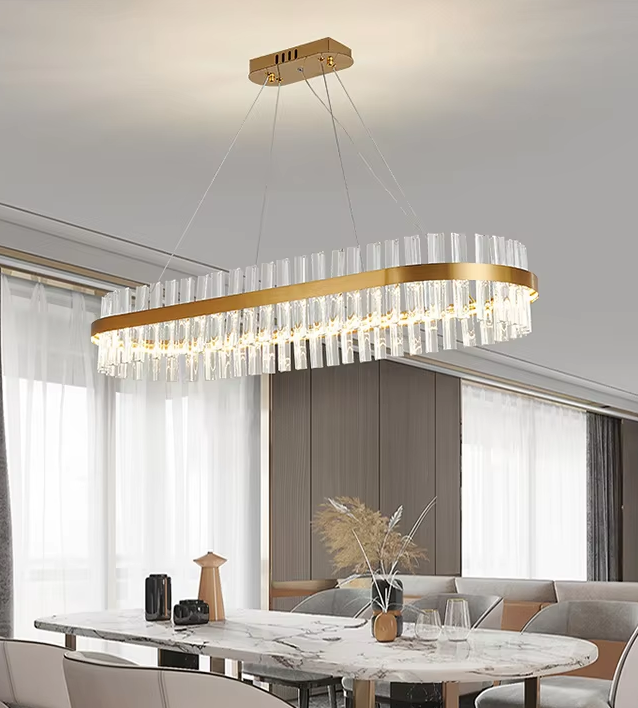
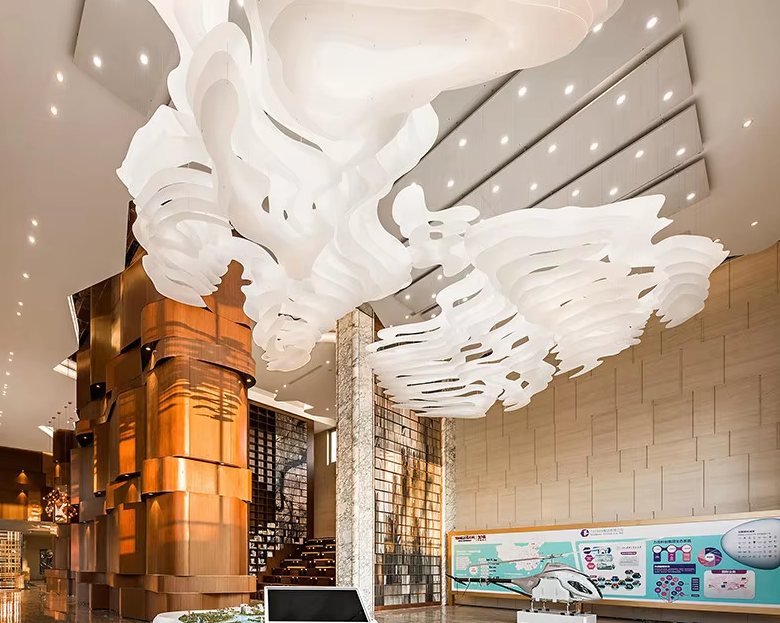
At Guangdong PureRay Light Co., Ltd., we don’t just light spaces—we create experiences, inspire creativity, and illuminate possibilities. Our products bridge the gap between architectural aesthetic and heavy structural engineering, proving our capabilities as a premier supplier to developers worldwide.
The global lighting industry is undergoing a digital transformation. Street light poles are no longer passive pillars; they are becoming the primary host nodes for Smart City networks. Modern solar pole designs must integrate various smart components to provide real-time value to municipalities.
Integrating smart controllers (using LoRaWAN, Zigbee, or cellular NB-IoT protocols) allows municipal management offices to remotely monitor battery health, adjust brightness profiles, track power consumption, and receive real-time fault notifications.
As electric vehicle usage increases, structural light poles are increasingly designed to house localized charging stations. This requires internal structural channel separation to isolate high-voltage power lines from mechanical solar components.
Solar poles act as reliable platforms for security cameras, traffic tracking sensors, and air quality index (AQI) monitors. The pole structural design must account for the additional dead weight and ensure stable power delivery from the integrated solar-battery pack.
Procuring solar light poles for large-scale municipal or private projects requires vetting beyond standard commercial listings. Use this technical checklist during supplier evaluations to ensure reliability:
| Audit Parameter | Minimum Required Specifications | Why It Matters |
|---|---|---|
| Steel Quality Grade | Q235B or Q345B, mill certificate verified | Prevents micro-cracks under load stress and guarantees welding safety. |
| Galvanization Standard | EN ISO 1461 or ASTM A123, >85μm thickness | Ensures 20-30 years of maintenance-free performance against rust and oxidation. |
| Welding Procedures | AWS D1.1 structural welding, certified operators | Eliminates risk of weld failure under dynamic fatigue from wind vortex shedding. |
| Base Plate & Anchor | CNC welded plate with reinforcing gussets | Guarantees optimal moment transfer to the concrete foundation during storms. |
Hot-dip galvanizing involves immersing the fabricated steel pole into molten zinc, forming a metallurgical bond and alloy layers that are thicker (typically 85 microns or more) than electro-galvanized layers. Electro-galvanizing only deposits a thin coating (typically 5–15 microns) on the outer surface, which lacks the mechanical durability needed for harsh outdoor environments and corrodes quickly.
We calculate wind load using local historical meteorological data, specifically the maximum wind speed (usually based on a 50-year return period). By calculating the drag force ($F = 0.613 \times V^2 \times C_d \times A_f$) on both the solar panel array and the pole body, our structural engineers determine the required steel thickness and base flange reinforcement to meet safety standards like AASHTO or EN 40.
Yes. Our structural design team uses 3D Finite Element Analysis (FEA) to simulate dynamic loading. When supporting heavy bi-facial modules or integrated pole-mounted battery boxes, we increase the pole wall thickness (e.g., from 3mm to 4mm or 5mm), adjust the base taper angle, and reinforce the anchor plate gussets to handle the extra vertical and torsional load.
During hot-dip galvanization, the molten zinc flows through both the interior and exterior of the hollow steel pole. This ensures the inner walls are coated and protected against internal condensation and corrosion, even in high-humidity climates.
Standard lead times typically range from 20 to 30 days for bulk structural steel orders. This schedule includes custom design confirmation, automated raw material cutting and bending, welding, hot-dip galvanizing, quality inspections, and export packing.
 PureRay Light